
Hello!
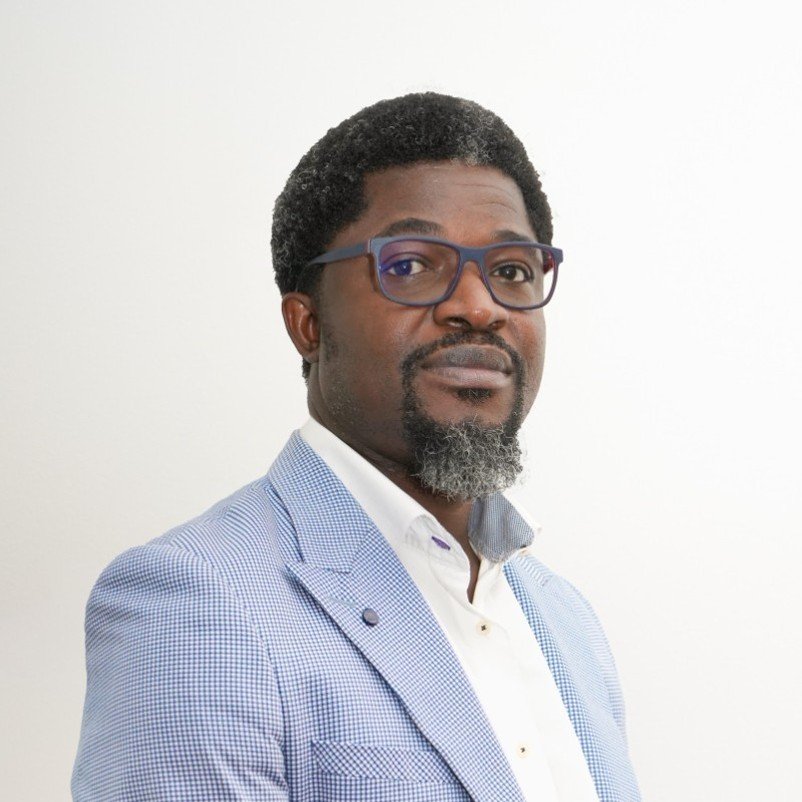
I am Olorunfemi Ojomo
HR Strategy | Talent Management | Organisational Development | Organisational Design| Performance Management | Change Management | Analytics





“I got a master’s, and still… no promotion.”
This is a narration that HR professionals hear more often than they would like. The story of Jane, a highly ambitious customer service executive, is a perfect illustration.
She had her sights set on becoming the Director of Mechatronics at her company. To fast-track her career, she invested time and money into earning a Masters in Biochemistry. A few months after graduation, during a stay check-in with her Talent Advisor, she made the statement above. She had expected that her academic investment would automatically translate into a promotion or at the very least, reposition her for one. But the organization did not respond with the enthusiasm she would hoped for.
Jane’s situation highlights a common misconception in career growth: More education ≠ automatic promotion.
Why not?
Here is the hard truth: Degrees do not guarantee promotions. Strategic alignment does.
While upskilling is critical, advancement depends on three key factors:
Lessons for grab:
LESSON 1: Development without direction can be tagged as decoration
Many employees believe that acquiring an additional degree or certification automatically makes them promotion-worthy. But the truth is, unless that development is strategically aligned with business needs and the individual’s career path, it is often seen as “nice to have”; not “must have.” Same goes for skills acquired.
In Jane’s case, her master’s degree is academically impressive, but functionally irrelevant to her target role. If she had career-mapped earlier, she might have pursued something more relatable.
LESSON 2: Existence of Mobility Chart/Pathway and Accessibility
Organizations as part of their OD must endeavour to develop a realistic growth pathway and requirements covering all functions across its business set-up. Easy access to this system must be put in place with a touch of periodic sensitizations. Functional touch points between HR and Talents should always be explored in creating refreshers on possibilities of growth.
LESSON 3: HR’s role in guiding ‘Lost Talent’
Sometimes, it is not just a lack of alignment but a lack of clarity.
It is also possible that Jane’s aspirations are inspired, but misdirected. HR must be proactive in offering career coaching not just waiting for grievances to surface (For sure resource for this might be a constraint. In the absence of tech that can enable this, candidates for bench-strength can be top priority). Employees like Jane may need help defining their true strengths, values, and career fit. This is not remedial, it is developmental. Supporting people in finding themselves is just as critical as helping them advance.
So back to Jane, how do we help her?
In conclusion, degrees and certifications are important. However, what matters most is whether they solve real problems for the business and create pathways for employee growth.
So to the next Jane, before investing in education, you should ask:
“Does this qualification align with where I want to go, how does it fit with where the company is going?”
Then go ahead to have that conversation with your Talent Advisor. Simply reach out.
HR Strategy | Talent Management | Organisational Development | Organisational Design| Performance Management | Change Management | Analytics
Sign up for my newsletter to receive all updates.
Blog, Featured
Blog, Featured