
Hello!
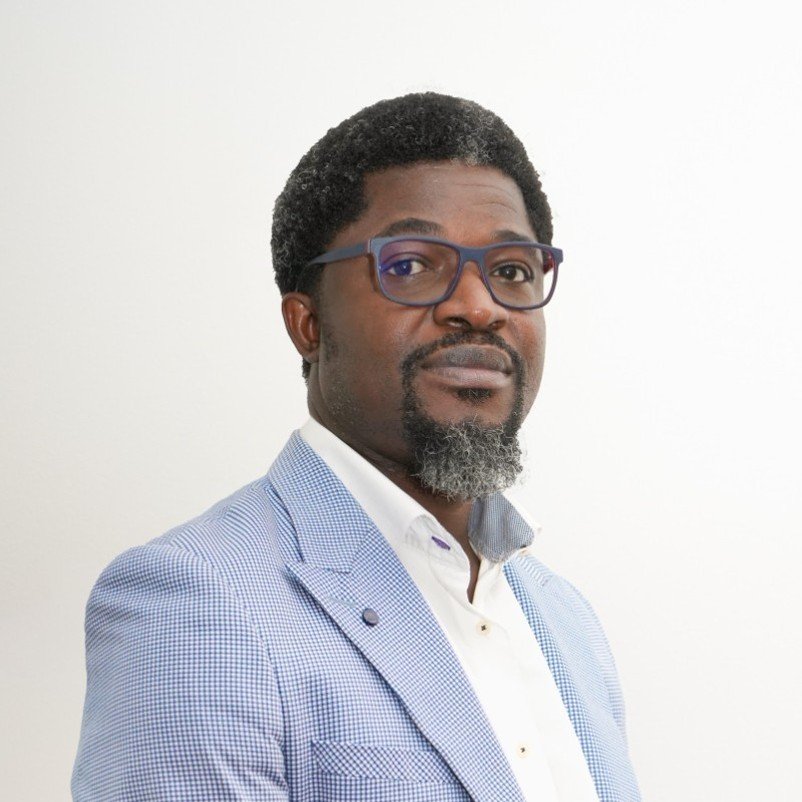
I am Olorunfemi Ojomo
HR Strategy | Talent Management | Organisational Development | Organisational Design| Performance Management | Change Management | Analytics





Envisioning the future and translating that vision into actionable strategy is a critical leadership responsibility. In high-performing organisations, this process is not just top-down, it is dynamic, collaborative, and constantly evolving. However, many CEOs (using this nomenclature for ease of referencing), despite their best intentions, unknowingly become the very bottleneck that slows down momentum and frustrates execution.
It often begins subtly. A delay in making key decisions. A preference for centralizing all approvals even for relatively minor issues. A reluctance to fully empower senior leaders. Over time, these behaviours compound, creating a culture of dependency, hesitation, and risk aversion.
One of the most common pitfalls is the “decider-in-chief” mindset, where the CEO feels compelled to weigh in on everything from budget reallocations to office layouts. While this may stem from a desire for excellence or accountability, it sends a powerful message to the team: nothing truly moves unless the CEO says so.
This creates paralysis. Senior leaders, unsure of their autonomy, begin to second-guess their decisions or wait for approval. Middle managers become mere messengers rather than strategic drivers. Innovation slows down. Execution falters. And soon, the CEO who started with a vision of agility and impact becomes the very reason why the organisation is sluggish.
At the root of this behaviour is often a fear. Fear of losing control, fear of failure, or fear that others won’t meet expectations. But leadership is not about doing everything; it is about enabling others to do great work. When CEOs operate from a mindset of control rather than trust, they don’t just hinder execution, they stunt the growth of future leaders.
High-performing organisations distribute leadership. They have empowered leaders at multiple levels who can act swiftly, make decisions with clarity, and take responsibility for outcomes. But when the CEO insists on being the single point of finality for every significant decisions, the organisation becomes fragile. It becomes dependent on one person’s bandwidth, attention, and temperament.
Even worse, this pattern reinforces upward escalation of even basic issues. A culture of ‘waiting on the CEO’ sets in. Instead of solving problems at the lowest competent level, teams hold back, fearing missteps or disapproval. This not only slows progress but leads to missed opportunities and delayed innovation.
True power lies in multiplying the capabilities of teams; not in being the smartest person in the room. Leadership should build systems, structures, and cultures that thrive even in their absence.
Just a guide:
In conclusion, some CEOs start off as visionaries but unintentionally become vision-blockers. Their unwillingness to release control or build trust in their teams slows execution and frustrates even the most competent leaders beneath them. If traction seems elusive in your organisation, it may not be because the team lacks talent or motivation. It might be because they are stuck waiting, waiting for the CEO to decide, approve, or notice.
Leadership is not about being involved in every decision. It is about creating an environment where the right decisions happen without you. That is not just good leadership; that is scalable leadership.
Still learning as we all progress.
HR Strategy | Talent Management | Organisational Development | Organisational Design| Performance Management | Change Management | Analytics
Sign up for my newsletter to receive all updates.
Blog, Featured
Blog, Featured
Blog, Featured